Address
G Land Cipageran No 1 Kel. Cipageran Kec. Cimahi Utara Kota Cimahi
Work Hours
Monday to Friday: 07AM - 5PM
Weekend: 07AM - 02PM

Address
G Land Cipageran No 1 Kel. Cipageran Kec. Cimahi Utara Kota Cimahi
Work Hours
Monday to Friday: 07AM - 5PM
Weekend: 07AM - 02PM

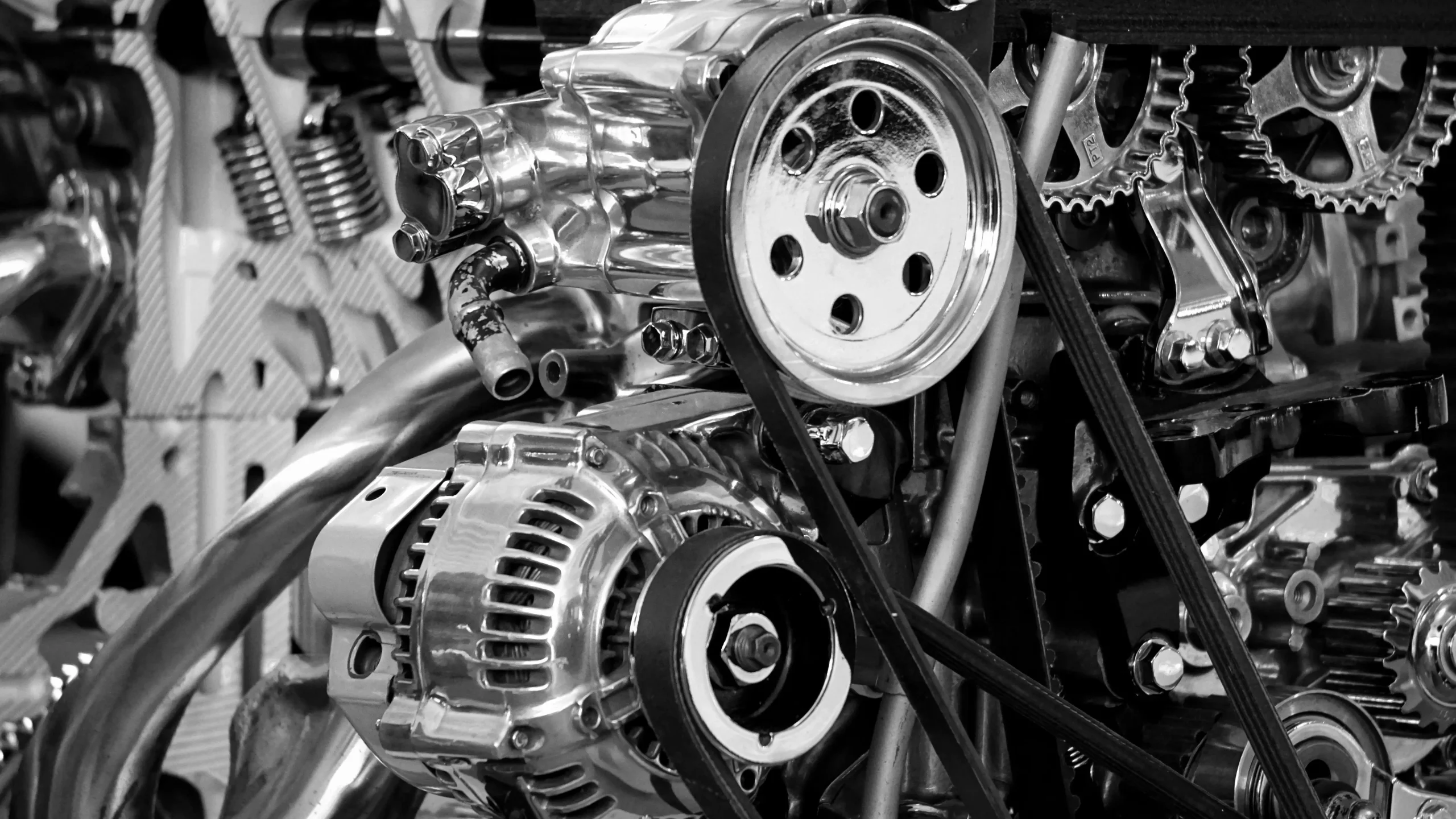
Selecting the right industrial spare parts may sound straightforward, but in practice, many companies make decisions that lead to unexpected machine failures, reduced performance, and unnecessary costs. The assumption that “any similar part will work” often leads to long-term operational issues that could easily be prevented with a more informed approach.
Understanding these common mistakes will help maintenance teams protect their equipment, improve machine reliability, and avoid costly downtime.
Many companies assume that the cheapest option is the smartest choice. While cost efficiency is important, relying solely on price overlooks key factors such as:
material quality
heat tolerance
electrical compatibility
expected lifespan
brand consistency
A low-cost part may fit physically but fail prematurely, damage other components, or cause performance instability. In the long run, the “cheaper” option often becomes the most expensive mistake.
It’s common to assume that parts with similar specifications are interchangeable. However, different machine brands—especially welding machines, inverters, and robotic systems—use unique tolerances, calibrations, and software integrations.
Common issues include:
inconsistent voltage tolerance
sensor reading errors
improper feedback signals
misalignment with mechanical assemblies
communication errors with controllers or PCB units
Using non-compatible parts might cause subtle performance drops before leading to complete failure.
Companies often underestimate the importance of selecting electrical and PCB components that meet industrial standards. Poor-quality boards or electrical parts introduce risks such as:
overheating
short circuits
program corruption
premature burnout
These issues are especially critical in high-demand environments like robotic welding, hydraulic systems, and inverter-based machines.
Many industries rely on emergency procurement, assuming they can “just buy the part when needed.” This reactive approach creates problems:
delays due to supplier stock availability
rushed purchasing decisions
extended machine downtime
higher shipping and repair costs
Keeping strategic spare parts ready is an essential part of preventive maintenance.
Not all spare part suppliers offer the same level of expertise. Choosing vendors solely by availability or price often leads to:
incorrect part recommendations
lack of installation support
no testing or quality verification
poor warranty or after-sales service
A credible engineering partner should understand your machine type, environment, and performance requirements before recommending any component.
Consider lifespan, durability, and compatibility—not just cost.
Ensure that the part matches the machine model, brand, and system design.
Look for industrial-grade quality, heat-resistant designs, and reliable manufacturers.
Especially for welding machines, PCB boards, and electrical modules.
Prefer suppliers who offer diagnosis, consultation, installation, and after-sales support.
We supply a wide range of spare parts for many types of machinery, including:
welding machine parts
PCB components
electrical parts
mechanical components
consumable parts and special units
Our team ensures every recommendation fits your machine specifications—mechanically, electrically, and programmatically.
Combined with expert installation and repair services, we help you avoid common purchasing mistakes and keep your machinery running smoothly.
Choosing industrial spare parts is not simply about finding a part that fits—it’s about ensuring compatibility, reliability, and long-term machine performance. By avoiding the common mistakes above and partnering with a trusted technical team, companies can reduce downtime, lower maintenance costs, and improve production stability.
Kandaga Rekayasa Engineering is ready to support your spare part needs with professional guidance, verified quality, and complete technical services.
