Address
G Land Cipageran No 1 Kel. Cipageran Kec. Cimahi Utara Kota Cimahi
Work Hours
Monday to Friday: 07AM - 5PM
Weekend: 07AM - 02PM

Address
G Land Cipageran No 1 Kel. Cipageran Kec. Cimahi Utara Kota Cimahi
Work Hours
Monday to Friday: 07AM - 5PM
Weekend: 07AM - 02PM

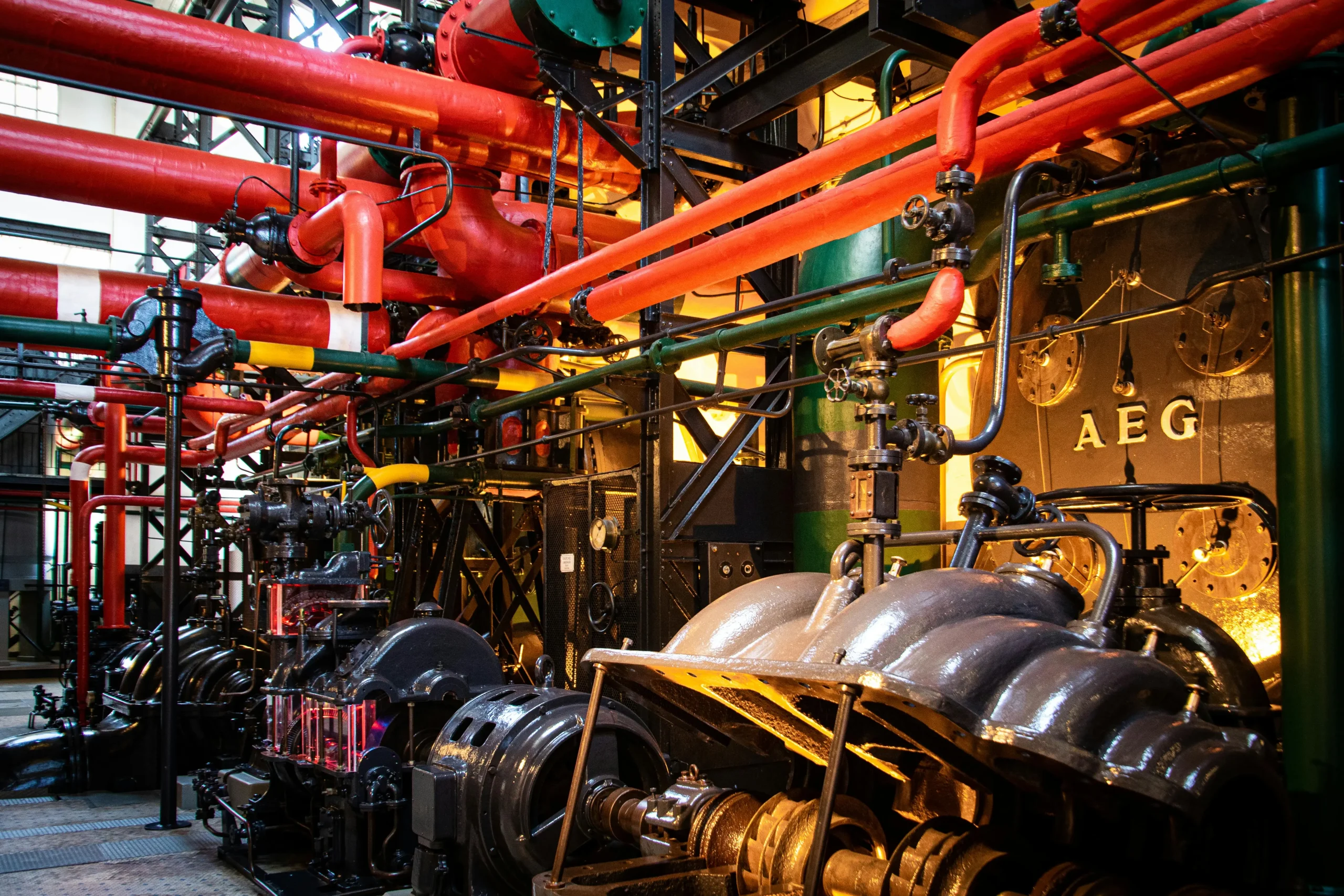
In industrial environments, machines rarely fail suddenly. Most breakdowns are the result of gradual wear, declining performance, and small issues that accumulate over time. Yet many companies struggle to determine whether a machine needs a simple repair or a complete overhaul. Misjudging this decision can lead to higher maintenance costs, unexpected downtime, and even long-term equipment damage.
A clear understanding of the difference—and the indicators for each—helps maintenance teams make smarter, more cost-effective decisions.
Many operators assume that if a machine is still running, a quick repair is enough. Others believe that an overhaul is always the safest option. Both assumptions can be misleading:
Over-repairing leads to recurring breakdowns that keep the machine in a “fix-fail-fix-fail” cycle.
Overhauling too early wastes valuable time, resources, and budget.
The key is knowing the technical thresholds that separate minor damage from system-level degradation.
A repair is a targeted action focused on fixing a specific issue or faulty component. Repairs generally involve:
replacing worn or damaged parts
correcting electrical or PCB malfunctions
recalibrating sensors or controls
fixing software errors or restoring program data
resolving alignment or minor mechanical problems
Repairs are ideal when the issue is localized and hasn’t spread to other systems.
You should consider repair if:
the machine still performs close to its normal operating parameters
damage is limited to one or two components
electrical or PCB faults can be isolated
no major misalignment or overheating symptoms appear
repair cost is significantly lower than overhaul
Typical repair scenarios include welding machines with unstable arcs, robotic machines with program errors, inverter units with PCB faults, or hydraulic systems with minor leaks.
An overhaul is a full, in-depth restoration process that brings the machine back to near-original performance. It goes beyond simple component replacement and includes:
disassembly of key mechanical systems
intensive cleaning of internal components
full lubrication and greasing
replacement of multiple worn parts
calibration and alignment
PCB reconditioning, component-level repairs, and cleaning
system and software optimization
An overhaul is focused on long-term reliability and resetting the machine’s performance baseline.
You should choose an overhaul when:
performance drops significantly across multiple systems
the machine shows signs of heating, vibration, or unstable output
internal components are dirty, corroded, or worn
PCB boards show aging, carbon buildup, or unstable signals
software issues reoccur even after resetting
maintenance records indicate prolonged period without major servicing
In other words, an overhaul becomes necessary when the machine’s condition affects overall reliability—not just one component.
The following signs suggest that a repair may not be enough:
increasing energy consumption
inconsistent welding results or robotic movements
overheating in electrical panels or PCB modules
abnormal sound, vibration, or mechanical resistance
frequent error codes from controllers or inverters
significant dirt, dust, and lubricant degradation inside the machine
These symptoms often indicate deeper problems that only an overhaul can properly address.
| Aspect | Repair | Overhaul |
|---|---|---|
| Scope | Localized fixing | Full system restoration |
| Cost | Lower (short-term) | Higher (long-term cost efficient) |
| Duration | Quick | Longer |
| Purpose | Resolve specific issue | Restore overall machine health |
| Ideal When | Damage is limited | Performance decline is widespread |
| Outcome | Machine functional | Machine near-new condition |
With extensive expertise in industrial machines—including welding machines, robotic units, inverters, hydraulic systems, transformers, and electrical panels—our technicians can:
diagnose mechanical, electrical, and software issues
identify whether repair or overhaul is more appropriate
restore PCB components and system programs
perform thorough cleaning, greasing, alignment, and calibration
ensure the machine meets operational standards before returning it to the field
We prioritize accuracy, safety, and long-term reliability—not shortcuts.
Choosing between repair and overhaul is not simply a budget decision—it is a matter of machine health, safety, and long-term production stability. By understanding the indicators of each and evaluating machine performance objectively, companies can prevent unnecessary breakdowns and extend the lifespan of their equipment.
Kandaga Rekayasa Engineering is ready to support you with professional assessment, repair, overhaul, and full restoration services tailored to your industrial needs.
